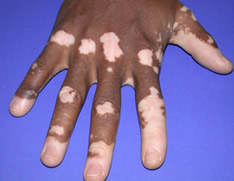

Vitiligo may not be physically harmful, but its emotional impact can be significant. If you notice white patches developing on your skin, you’re not alone—and you don’t have to manage it alone. At Associates in Dermatology, serving Westlake, Middleburg Heights, and Lorain, Ohio, we offer effective treatment options and compassionate care to help you regain confidence and manage vitiligo more comfortably.
What causes vitiligo?
Vitiligo happens when the body’s immune system mistakenly strikes melanocytes—the cells responsible for producing skin pigment. When these cells are damaged or destroyed, the affected skin loses its color. While the exact cause is still unknown, vitiligo may have a genetic link and is sometimes triggered by factors like severe sunburn, chemical exposure, or emotional stress.
What are the symptoms of vitiligo?
Vitiligo typically appears between the ages of ten and thirty. It presents as white or light patches on the skin and may start small before spreading to larger areas. Common locations include the lips, face, eyelids, hands, arms, armpits, feet, and groin. It may also affect hair color on the scalp, eyebrows, or eyelashes and, in rare cases, cause white spots on the retina.

Is vitiligo dangerous to your health?
Vitiligo is not contagious or life-threatening, but its visibility can damage emotional well-being and self-esteem. That’s why early intervention and professional support are important—not just to address the skin changes but also to help patients feel more comfortable and supported throughout their care journey.
Is there a cure for vitiligo?
Currently, there is no cure for vitiligo. However, various treatments can slow its progression and, in many cases, restore pigment to the affected areas. At Associates in Dermatology, our board-certified dermatologists create individualized plans based on your condition’s location, extent, and progression.

What treatment options are available?
Treatment may begin with topical corticosteroids or calcineurin inhibitors, which are especially effective for smaller patches, particularly on the face and neck. Light therapy is another common and effective solution, often involving a photosensitizing agent followed by controlled UVB exposure several times weekly for several months. There are newer topical and systemic immune modulating treatments available for cases that do not respond to traditional treatments. In cases where pigment loss is widespread, depigmentation of the remaining skin may be considered to create a more even tone.
Can lifestyle or skincare habits help?
Yes, protecting your skin from sun exposure is critical. Daily high-SPF sunscreen helps prevent sunburn on depigmented skin and reduces the contrast between affected and unaffected areas. Our team also guides skincare routines tailored to patients with vitiligo.
Frequently Asked Questions About Vitiligo
Can vitiligo be prevented?
Unfortunately, there is no proven way to prevent vitiligo, as the exact cause remains uncertain. Since it’s an autoimmune condition, prevention is challenging. However, minimizing potential triggers such as emotional stress, skin trauma, and sunburn may help reduce the risk of flare-ups or new spots forming. Maintaining overall immune health, following a healthy lifestyle, and protecting your skin from harsh environmental factors are proactive steps that minimize its spread and severity over time.
Does vitiligo itch or cause discomfort?
Vitiligo is not typically painful, but some people report mild itching or sensitivity in affected areas—especially before a new patch appears. This can be due to inflammation or dryness in the skin. If you’re experiencing persistent discomfort, a dermatologist can recommend soothing topical treatments, anti-inflammatory creams, or moisturizers to help calm the skin and improve comfort while protecting it from further irritation.
Is vitiligo linked to other autoimmune diseases?
Yes, vitiligo is often associated with other autoimmune conditions. These may include thyroid disorders (such as Hashimoto’s thyroiditis), alopecia areata, type 1 diabetes, and lupus. If you have vitiligo, your dermatologist may suggest blood work or screenings to check for underlying autoimmune issues, especially if you experience other symptoms like fatigue, hair loss, or hormonal changes. Early detection of related conditions can lead to more effective management and overall health improvement.
Can vitiligo spread over time?
In many cases, yes. Vitiligo is a progressive condition, and new patches can develop while existing ones may expand. Some people experience long periods of stability, while others may notice rapid spreading. Early and consistent treatment can help slow the progression and sometimes even restore pigment in certain areas. It’s important to monitor changes in your skin and report them to your dermatologist for personalized care.
Are there any risks with light therapy for vitiligo?
When administered under medical supervision, light therapy, especially narrowband UVB treatment, is considered safe and effective for vitiligo. Potential side effects include temporary redness, irritation, or mild sunburn-like reactions. Long-term overexposure can increase the risk of premature aging or skin damage, which is why regular dermatologic monitoring is essential. When used correctly, light therapy can promote re-pigmentation and reduce the appearance of white patches over time.
Does vitiligo affect people of all skin tones equally?
Yes, vitiligo affects people of all races and ethnicities. However, the contrast between depigmented patches and normal skin is often more noticeable in individuals with darker skin tones. This can lead to increased emotional distress and a greater desire for cosmetic or medical treatment to improve appearance and restore confidence. Dermatologists understand these challenges and can recommend personalized treatment and camouflage options to help manage the condition effectively.
Can makeup or self-tanners help conceal vitiligo?
Absolutely. Many patients use cosmetic camouflage, color-correcting makeup, or self-tanning lotions to mask vitiligo patches. These products offer a non-invasive option for those looking to even out skin tone or reduce the contrast of depigmented areas. Some dermatology offices may recommend specific brands that are safe for sensitive skin and long-lasting. Used alongside medical treatment, cosmetic solutions can provide emotional support and help improve day-to-day confidence.
Vitiligo Treatment Near Westlake, Middleburg Heights, and Lorain, Ohio
If you're living with vitiligo in Westlake, Middleburg Heights, or Lorain, Ohio, now is the time to explore your treatment options. Call Associates in Dermatology at (440) 482-8323 to schedule a personalized consultation and take the first step toward improving your skin health and self-confidence.