Living with psoriasis can be emotionally and physically challenging. From uncomfortable symptoms to insensitive questions, this chronic condition often takes a toll on your confidence and quality of life. If you’re tired of hiding your skin or explaining your condition, Associates in Dermatology in Westlake, Ohio, offers personalized, compassionate care to help manage your symptoms and restore comfort.
Below are answers to common questions about psoriasis and the effective treatments available to help you regain control over your skin.
What is psoriasis, and what does it look like?
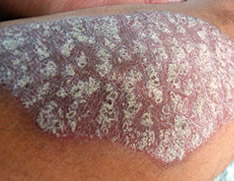
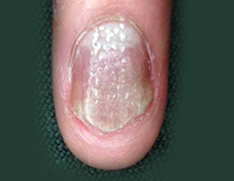
Psoriasis is a chronic inflammatory disorder that accelerates the natural life cycle of skin cells. This causes cells to build up rapidly on the skin’s surface, resulting in thick, red patches covered with silvery-white scales. These patches, known as plaques, can appear anywhere on the body but are most common on the elbows, knees, scalp, hands, feet, and even the nails. Though it appears on the skin, psoriasis begins beneath the surface, with an overactive immune response.

What triggers psoriasis flare-ups?
While the exact cause of psoriasis is not fully understood, genetics and immune system dysfunction play a major role. Flare-ups may be triggered or worsened by a variety of factors, including stress, infections, skin injuries, smoking, certain medications, alcohol consumption, and sudden withdrawal from corticosteroids. Each case is unique, and identifying personal triggers is key to managing symptoms effectively.
Are there different types of psoriasis?
Yes. The most common form is plaque psoriasis, but other types include guttate psoriasis, which appears as small, red drop-like spots, and pustular psoriasis, a more severe version with white blisters surrounded by red skin. In some cases, individuals may also develop psoriatic arthritis, which causes joint inflammation, discomfort, and skin symptoms.

What treatments are available for psoriasis in Westlake, Ohio?
At Associates in Dermatology, we understand that no two cases are the same. Treatment options range from topical therapies to advanced systemic medications. Mild cases may respond well to moisturizers, prescription ointments, vitamin D3 supplements, or medicated shampoos. For more moderate to severe cases, treatments may include oral medications, immune-modulating drugs, and cutting-edge biological injections. Phototherapy, which uses controlled doses of ultraviolet light, is also a popular and effective treatment option that avoids systemic side effects.
Can psoriasis be cured permanently?
There is currently no permanent cure for psoriasis, but with the right care plan, symptoms can be significantly reduced or even go into remission. Our dermatology team in Westlake, Ohio, works closely with each patient to develop a customized approach that fits your needs and lifestyle, helping you maintain clearer, healthier skin over the long term.
Frequently Asked Questions About Psoriasis
Is psoriasis contagious?
No, psoriasis is not contagious. It is a chronic inflammatory condition resulting from an overactive immune system, not from a virus or bacteria. You cannot catch it from someone else through touch, shared items, or close contact. Unfortunately, the visible nature of psoriasis plaques often causes misunderstandings and stigma. Educating others can help dispel the myth and reduce social discomfort for those with the condition.
Can diet affect psoriasis symptoms?
Yes, diet can play a supporting role in managing psoriasis, though it is not a standalone treatment. Some people notice symptom improvement when they avoid inflammatory foods like processed sugars, red meats, dairy, and alcohol. Anti-inflammatory diets—rich in fruits, vegetables, lean proteins, whole grains, and omega-3 fatty acids from fish or flaxseed—may reduce flare-ups. Weight loss in overweight patients has also been linked to better treatment outcomes. While dietary changes won’t replace medical treatment, they can complement your care plan.
Does stress make psoriasis worse?
Stress is one of the most common triggers for psoriasis flare-ups. Emotional or physical stress can cause immune dysregulation, which in turn can increase inflammation and worsen symptoms. Chronic stress may even decrease your body’s ability to respond to treatment. Managing stress through meditation, yoga, deep breathing, exercise, therapy, or mindfulness practices can significantly affect flare-up frequency and intensity.
Can children get psoriasis?
Yes, psoriasis can affect people of any age, including infants and children. Pediatric psoriasis often resembles adult cases but may involve thinner plaques and more sensitive skin. It commonly appears on the scalp, face, or diaper area. Because children have delicate skin, treatments usually start with gentle topical therapies. If the condition is more severe, phototherapy or systemic medications may be recommended under specialist supervision.
How long does it take for psoriasis treatments to work?
The effectiveness and timing of psoriasis treatments vary depending on the severity of your symptoms and the type of therapy used. Topical creams may show improvement in a few weeks, while systemic medications or biologics might take 2 to 4 months to deliver full results. Phototherapy typically requires multiple sessions over several weeks. Consistent use and routine check-ins with your dermatologist are important to track progress and adjust your treatment plan if needed.
Are there any natural remedies for psoriasis?
Several natural remedies may help soothe psoriasis symptoms when used alongside clinical treatments. Common options include aloe vera gel for skin hydration, oatmeal baths to relieve itching, and Dead Sea salt soaks to reduce scaling. Tea tree oil is sometimes used for scalp psoriasis but must be diluted properly to avoid irritation. Always consult your dermatologist before using any alternative remedy to ensure it’s safe and won’t interfere with your prescribed treatment.
What is the difference between eczema and psoriasis?
Though they may appear similar, eczema and psoriasis are different conditions. Psoriasis usually causes thick, red patches with silvery scales and is often found on the elbows, knees, and scalp. Eczema, or atopic dermatitis, leads to red, inflamed, itchy skin and is more common in skin folds. Eczema tends to ooze and crust, especially during flare-ups. A proper dermatological diagnosis is essential, as treatments for the two conditions differ significantly.
Relieve Psoriasis Symptoms with Trusted Dermatologists Around Westlake, OH and Nearby Areas
If you're struggling with psoriasis, you don't have to suffer in silence. Let the team at Associates in Dermatology in Westlake, Ohio, help you feel confident in your skin again. Call us today at (440) 482-8323 to schedule your consultation. We're also proud to serve patients at our Lorain and Middleburg Heights locations.