While not a health threat, acne can cause a great deal of social distress. Without proper care, the condition may result in permanent acne scars. Patients across the Westlake, OH area enjoy clearer skin with acne treatment at Associates in Dermatology.
About acne
Most of your skin is covered with fine hair. Each shaft originates from a tiny sac of connective tissue. Follicles have oil glands that lubricate hairs as they push up through pores in the skin. Sebum produced by the glands also helps to bring dead skin cells to the surface. When sebum and dead cells clump together, they clog the pore. Bacteria thrive in the plug, causing localized inflammation and infection.
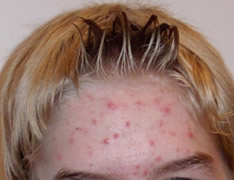
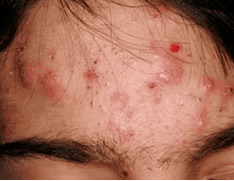
Acne most commonly develops on oily areas of the face and neck, or chest, shoulders, or back. It may present as:
- Blackheads, with dark coloration caused by oxidation of the material in the clog as it reaches the surface.
- Cystic acne, with deep, pus-filled pimples, is most likely to cause scarring.
- Nodules sometimes called “blind pimples,” are larger and solid, deep, and painful.
- Papules, tender pink bumps.
- Pustules characterized by redness at the bottom and pus at the top.
- Whiteheads that stay beneath the skin’s surface.
Effective treatment for acne in Westlake, OH
Anyone can develop acne, but it often occurs during hormonal fluctuations, which tend to increase oil production in the skin – puberty, changes in oral contraception, menstruation, and menopause. Poor quality cosmetics and certain medications can trigger outbreaks, and stress is also a factor.
The professionals at Associates in Dermatology take a personalized approach, with treatment strategy, and skincare products designed to remove pore clogs, reduce oil production, eliminate harmful bacteria, and calm inflammation. This may involve topical treatments containing benzoyl peroxide, salicylic acid, or retinol. Antibiotics, topical or oral, may be prescribed to fight infection and inflammation . Severe acne treatment may involve oral retinoids such as isotretinoin. Birth control pills can help hormonal acne.
Our doctors also offer advanced extraction methods to remove matter and open clogged pores.
Acne scar removal
With the right acne scar treatment – chemical peels, microneedling, laser therapies, soft tissue fillers, and advanced surgical techniques – most scarring can be improved or resolved. Even old or discolored scarring can respond well.
Enjoy the glow of healthy skin at any age. Call (440) 482-8323 to schedule a visit to Associates in Dermatology.